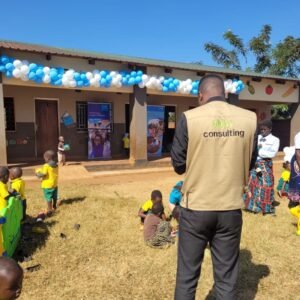
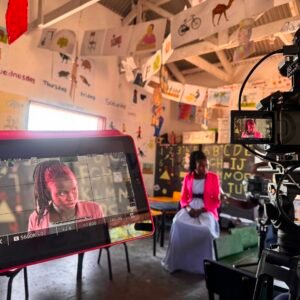
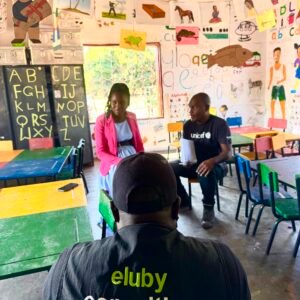
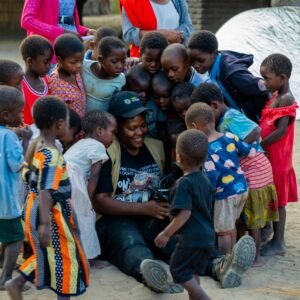
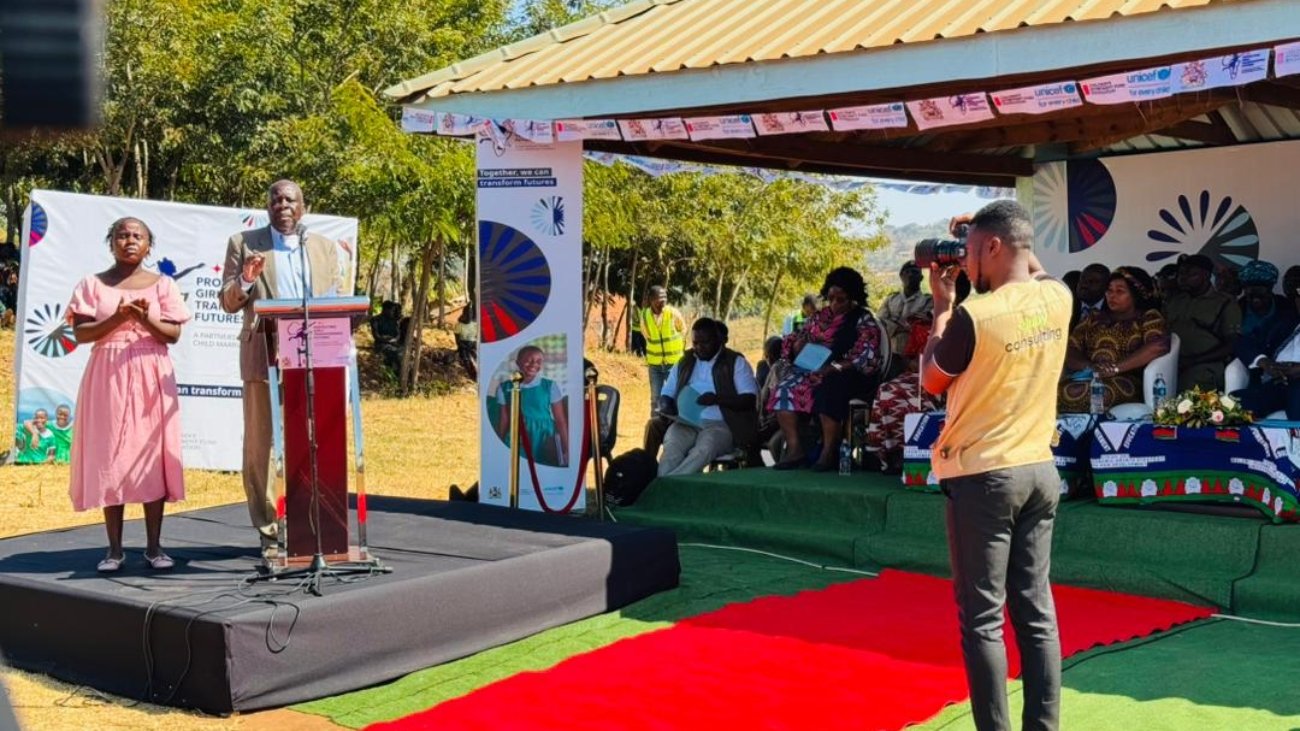
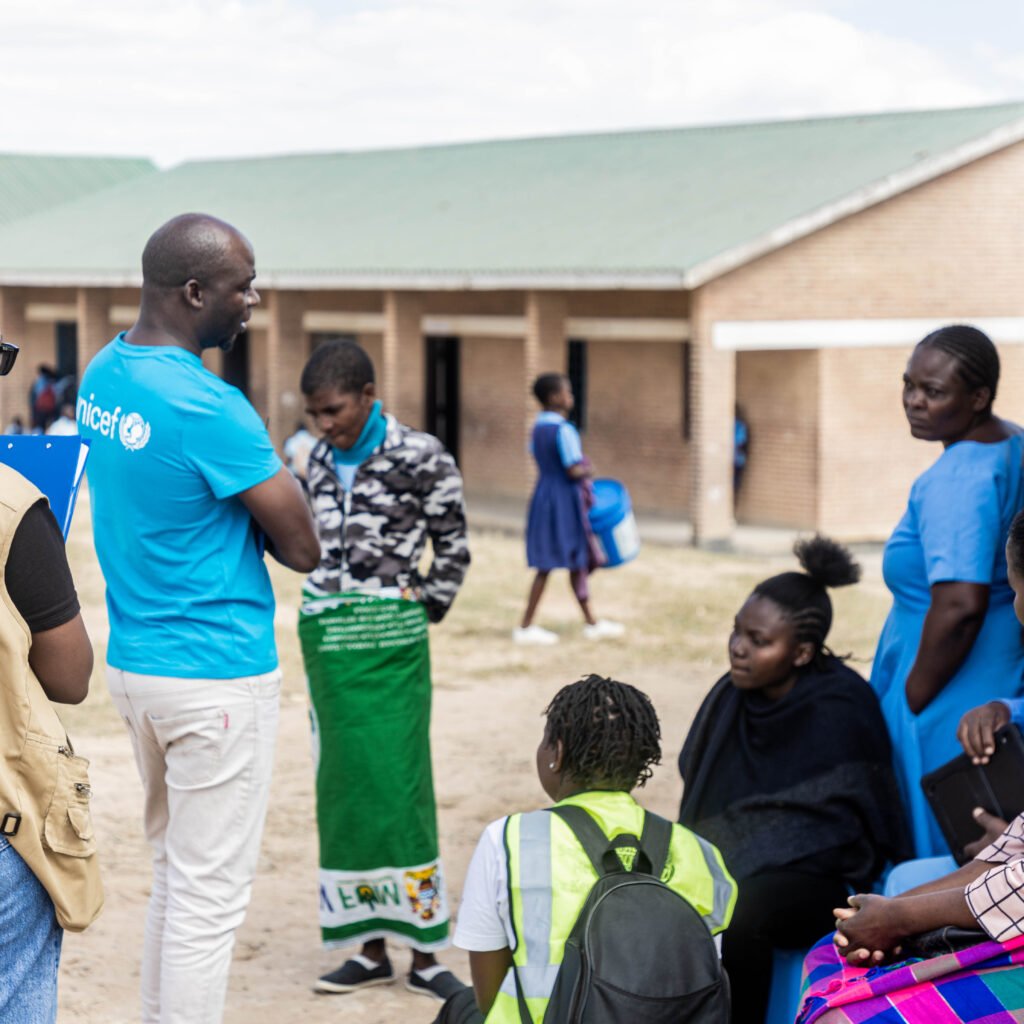
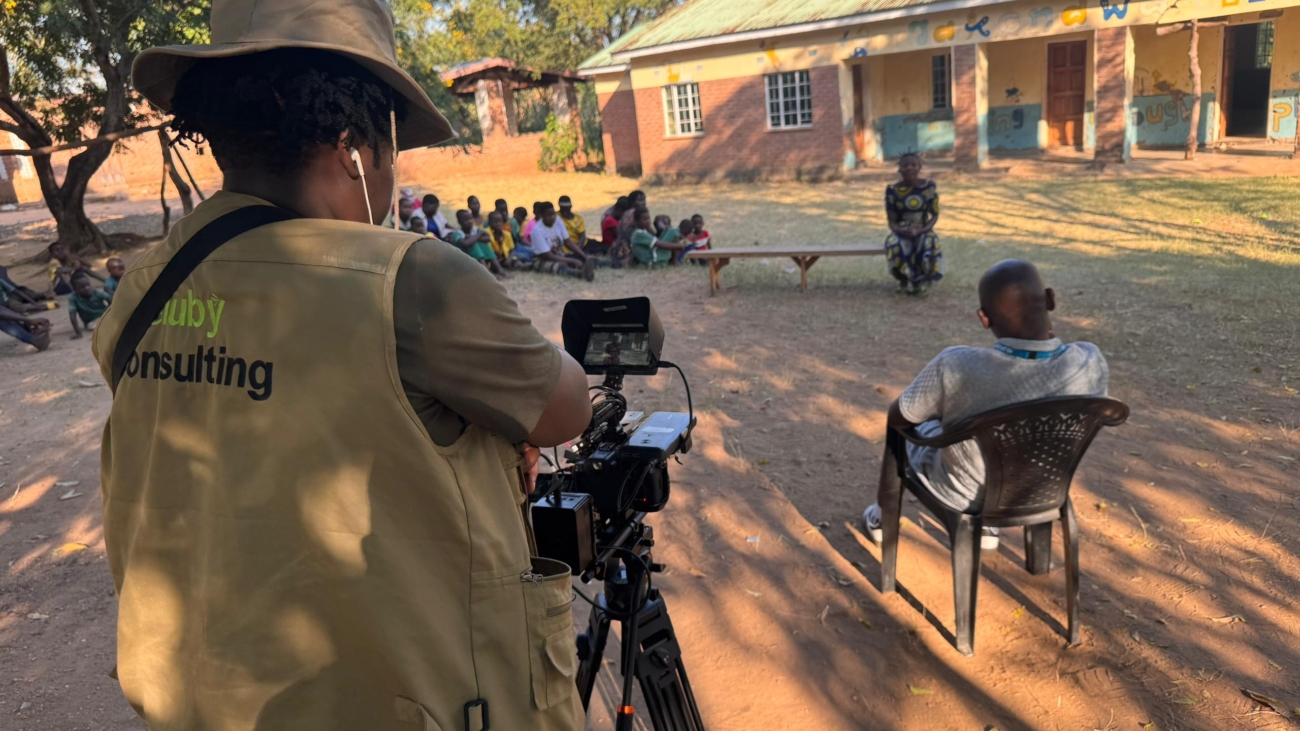
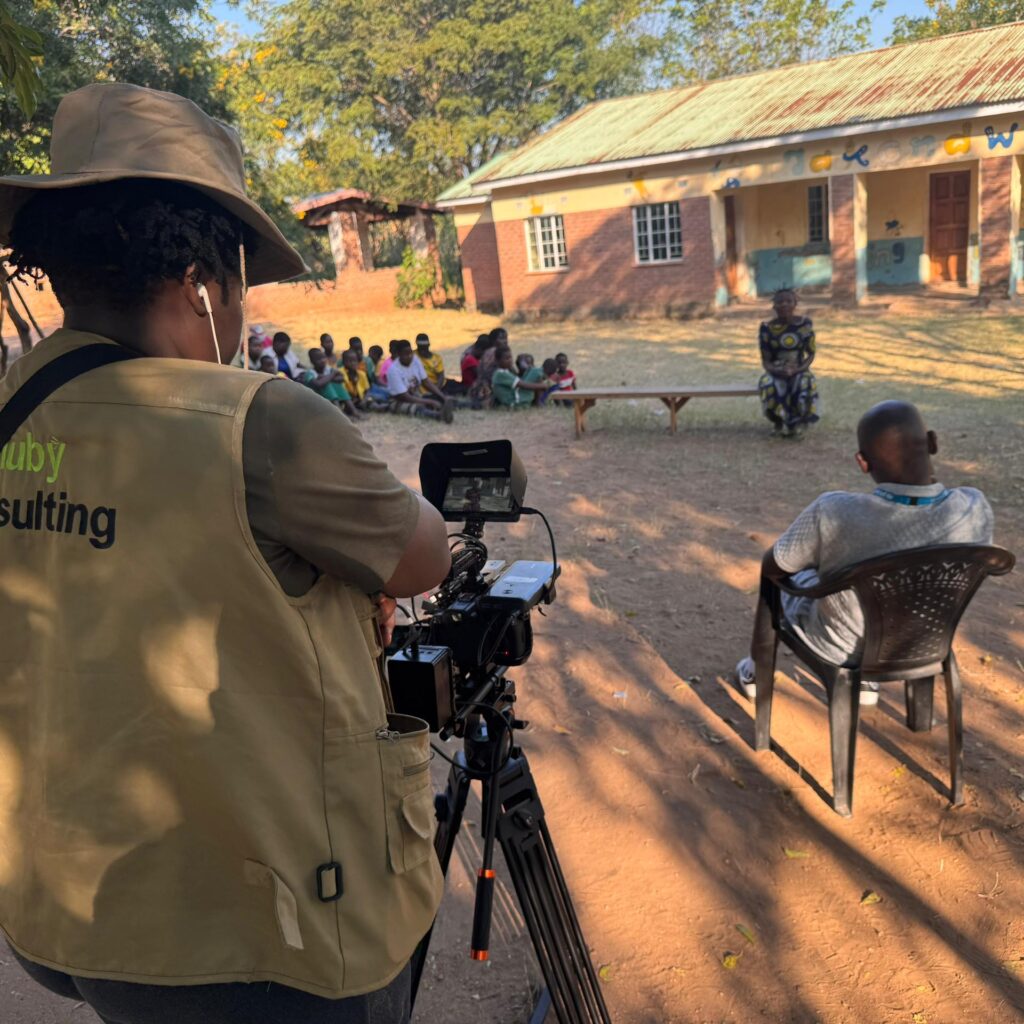
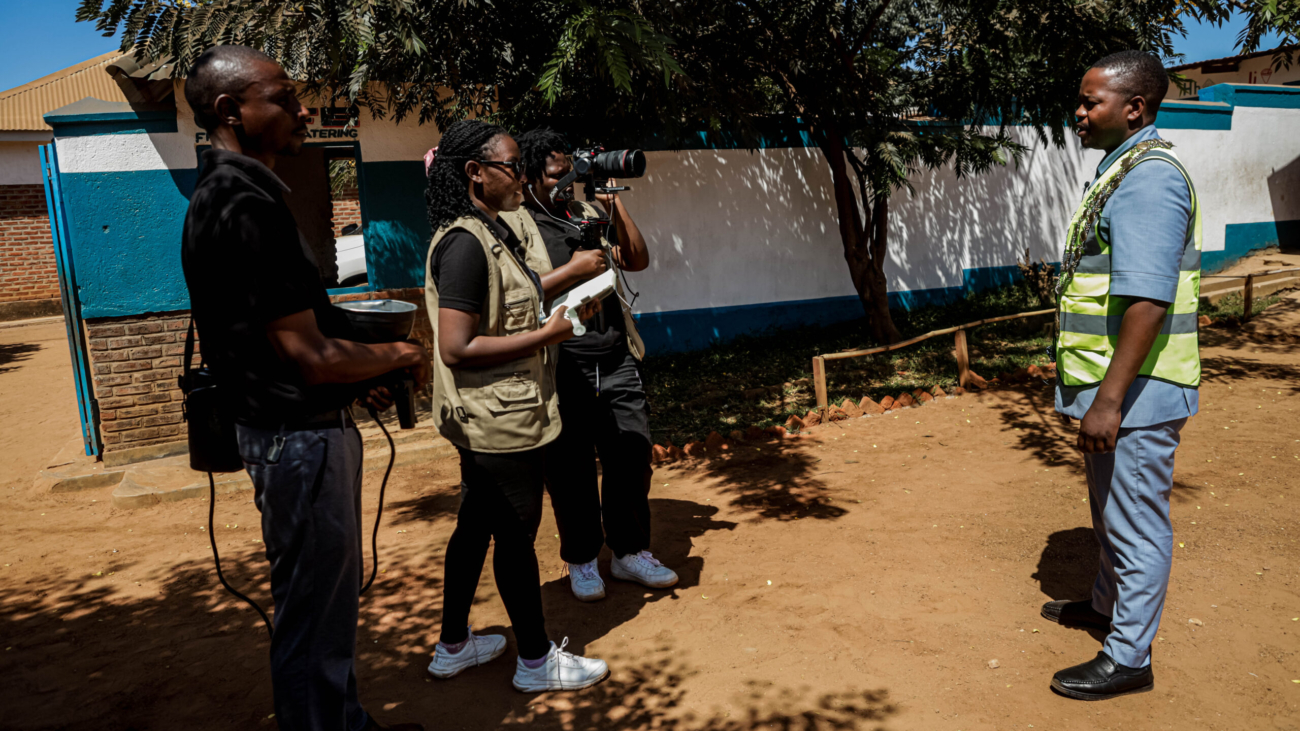
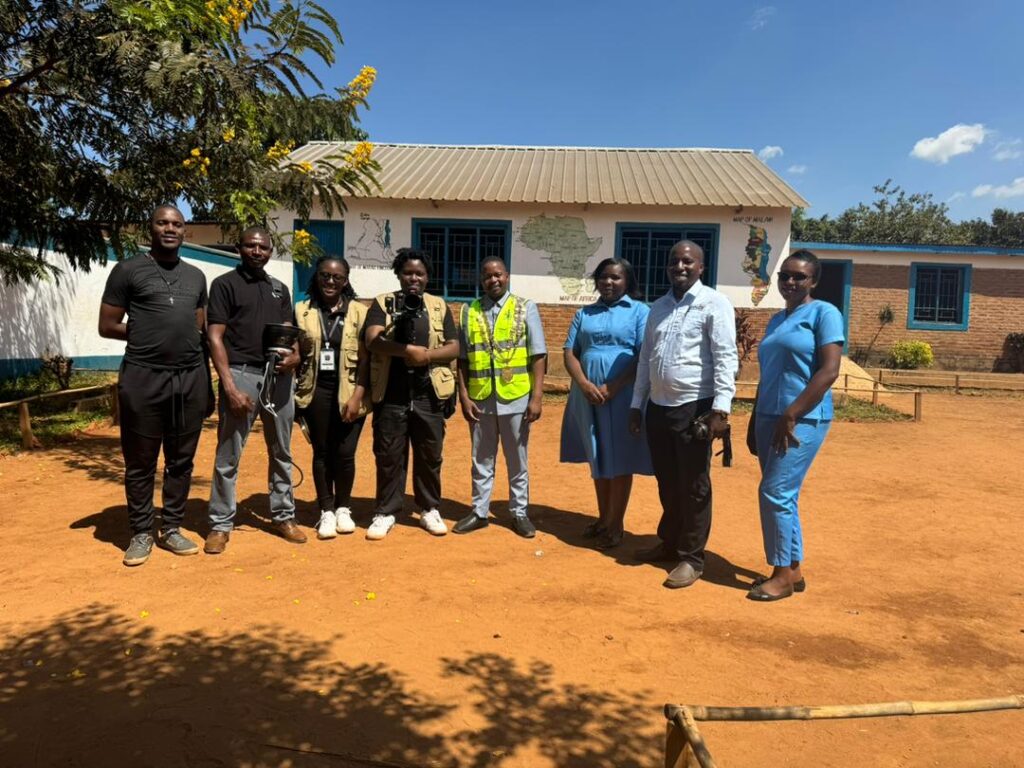
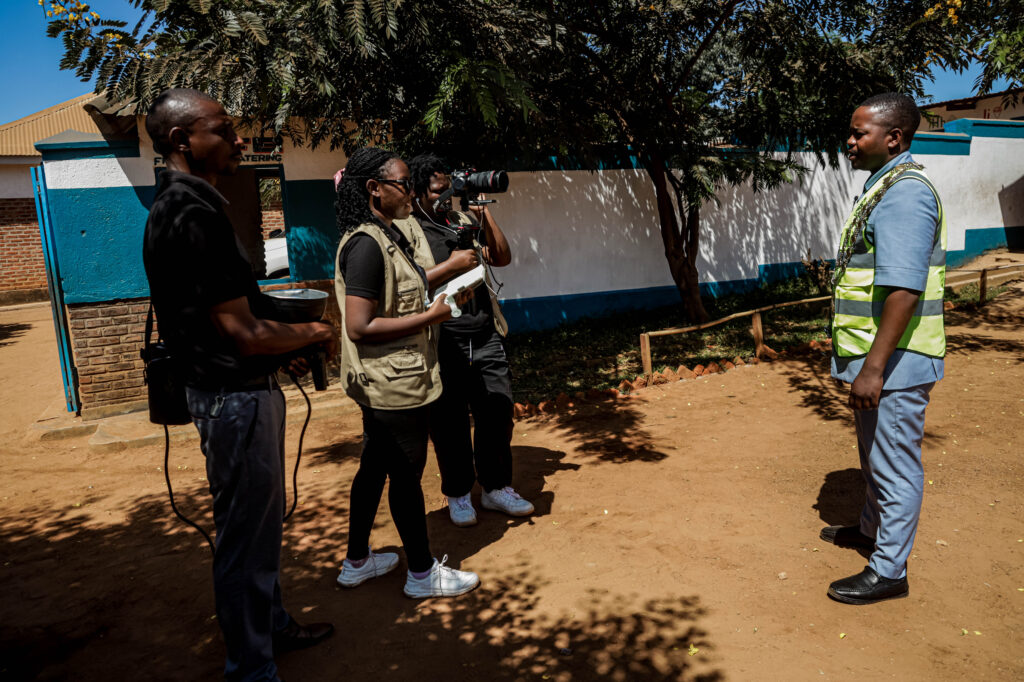
Peter Alex Banda, Mayor of Lilongwe City, visited High Ridge Christian School in Chinsapo for the second phase of the national polio vaccination campaign. The city expressed its satisfaction with the initiative and commended the government and UNICEF for their support.

DOCUMENTING THE FIGHT AGAINST POLIO

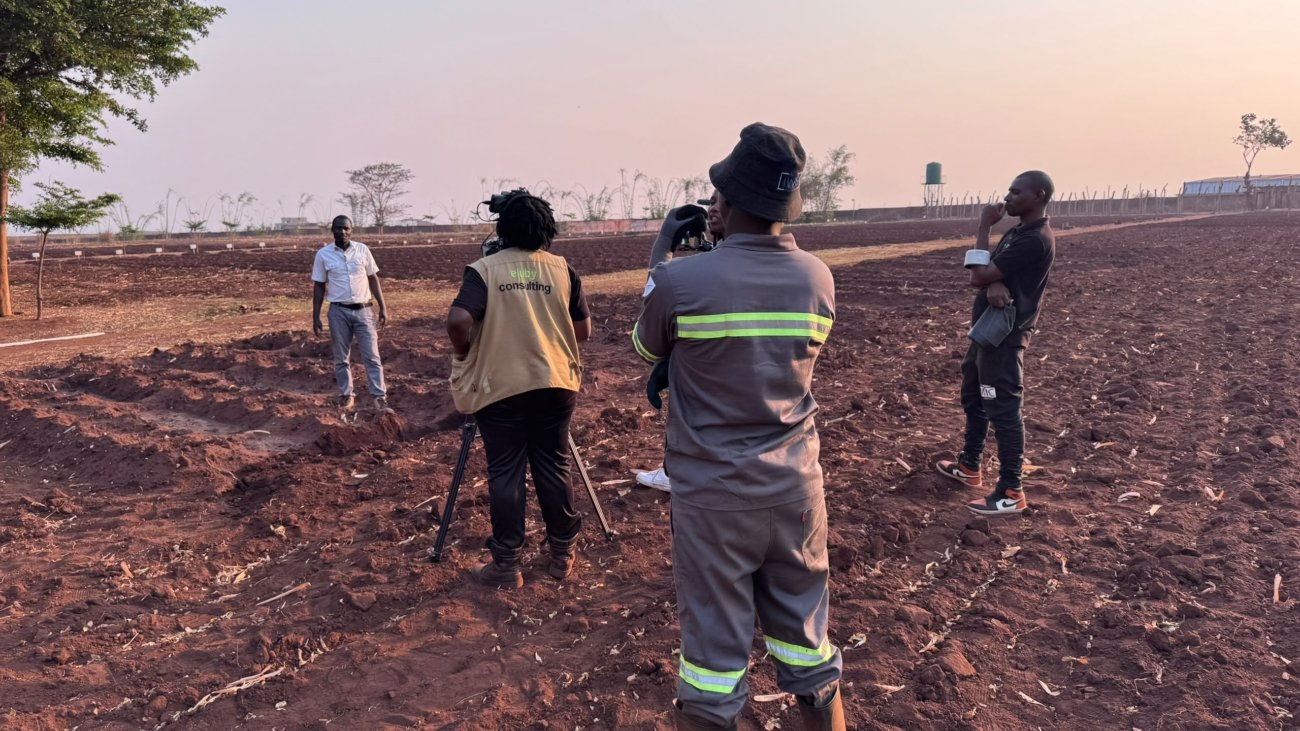
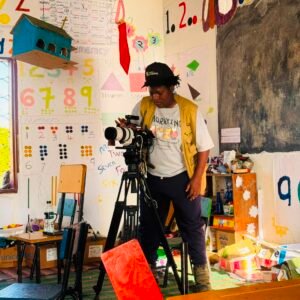
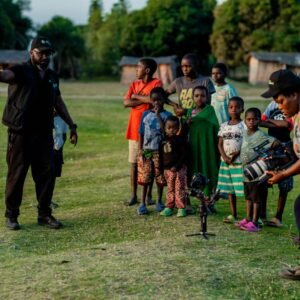
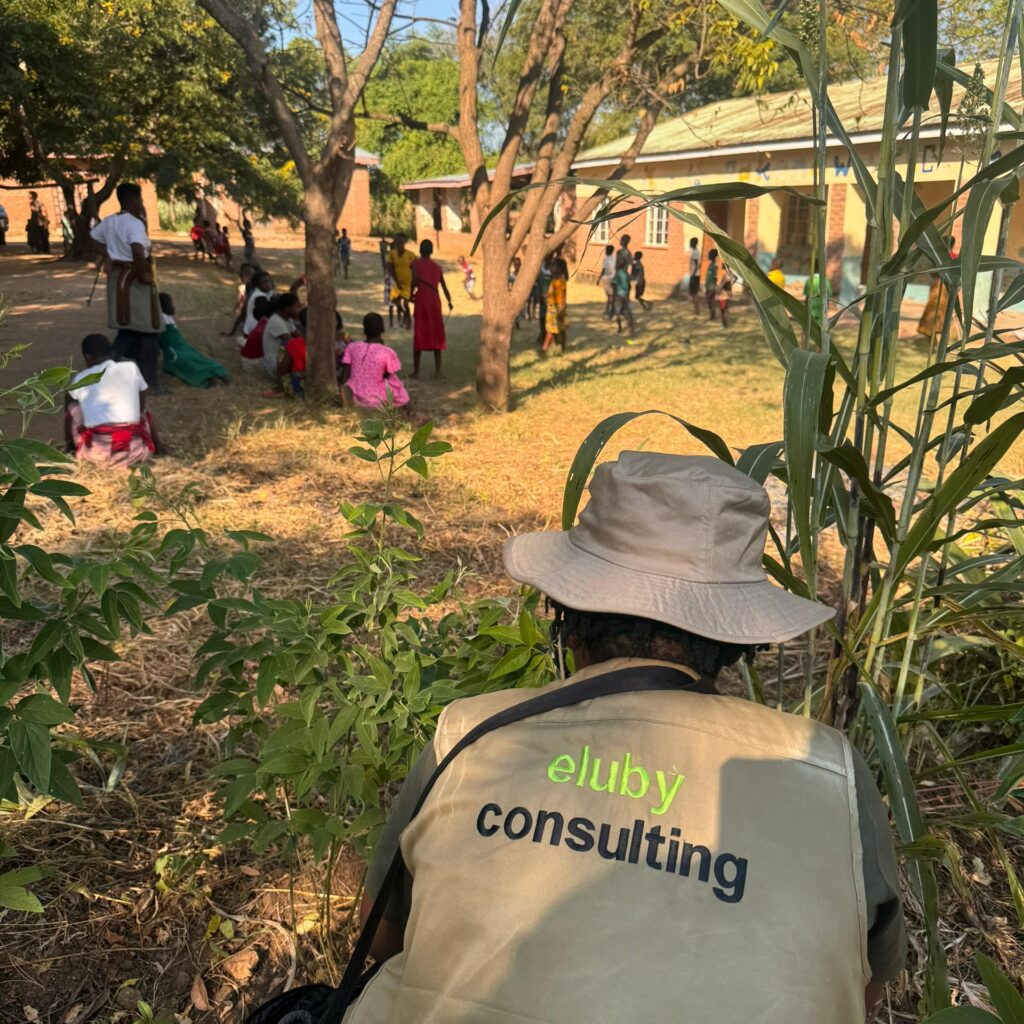
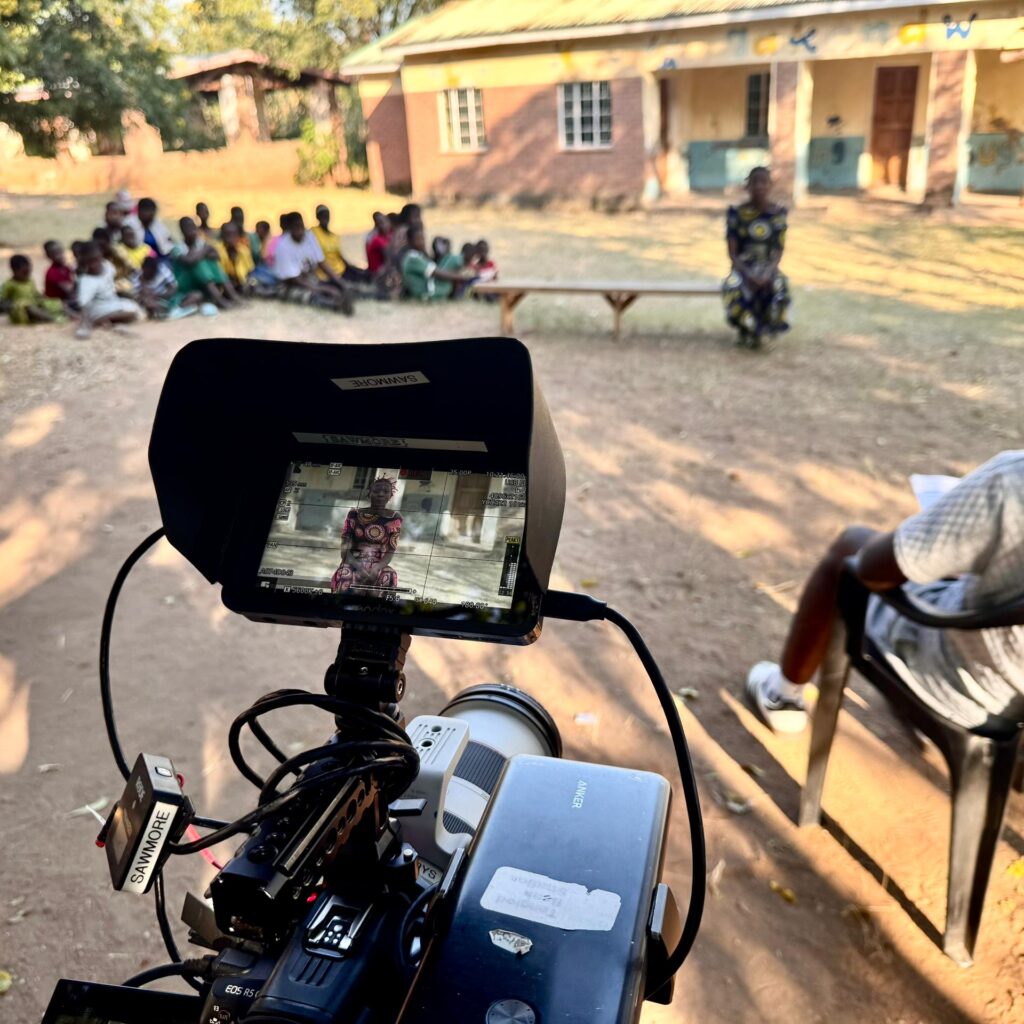
As the second phase of the national polio vaccination campaign continues, our team has been on the ground in Lilongwe documenting the critical work being carried out by health workers and local leaders in the fight against polio.

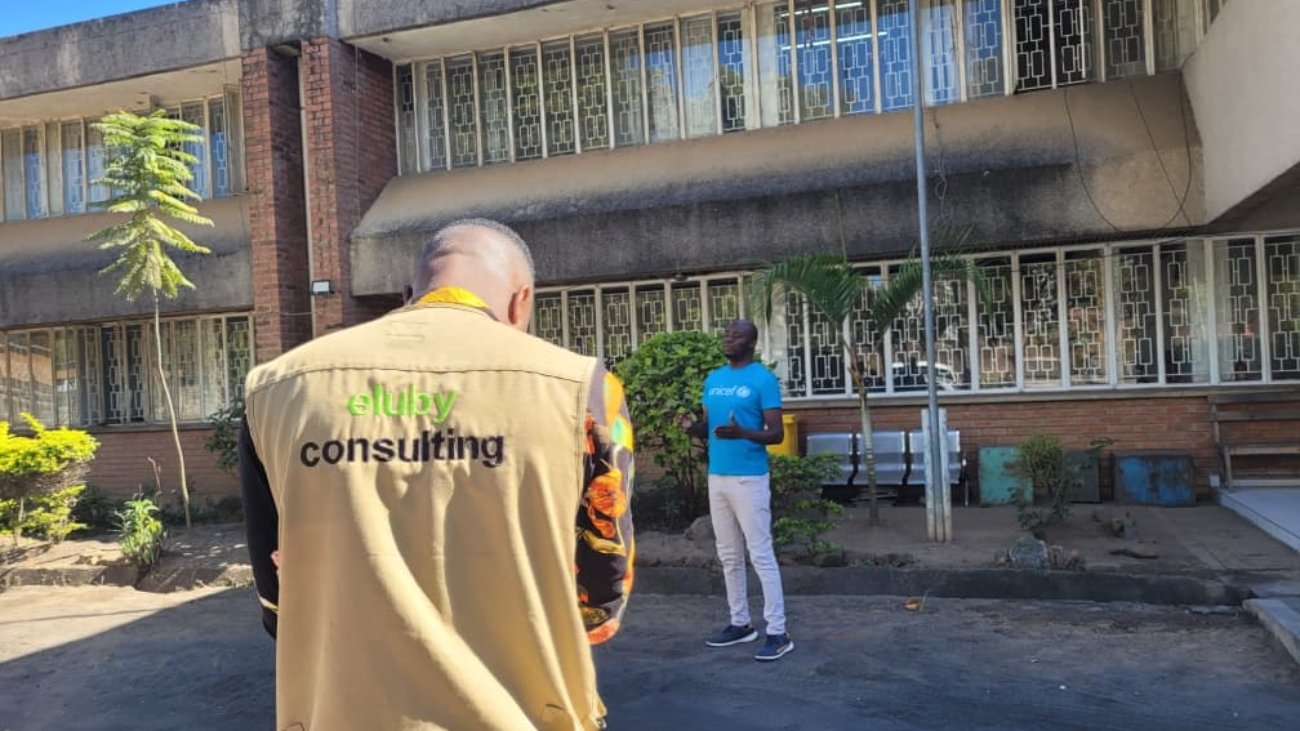
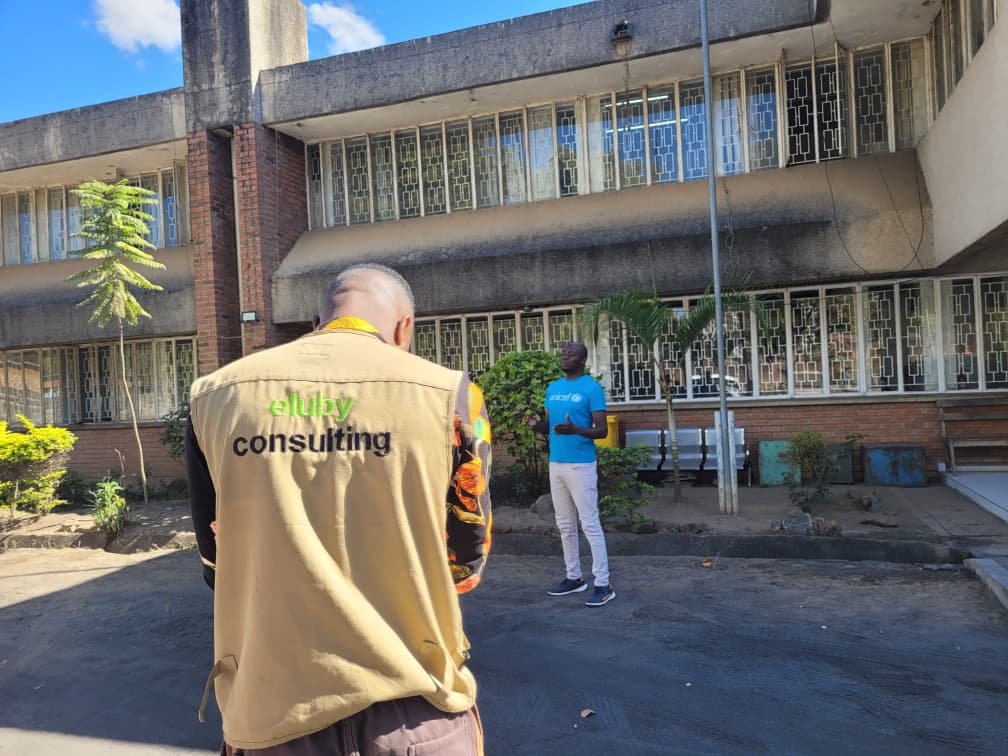
This week, we joined UNICEF at Kabudula Primary School and in Chinsapo, we captured the work the city is doing through the Mayor, where we captured key moments alongside the city mayor, highlighting the role of local leadership in driving community engagement and vaccination efforts.

WhatsApp Image 2026-04-15 at 11.31.19 (1)

UNICEF- 2026 WORLD IMMUNIZATION WEEK CONTENT

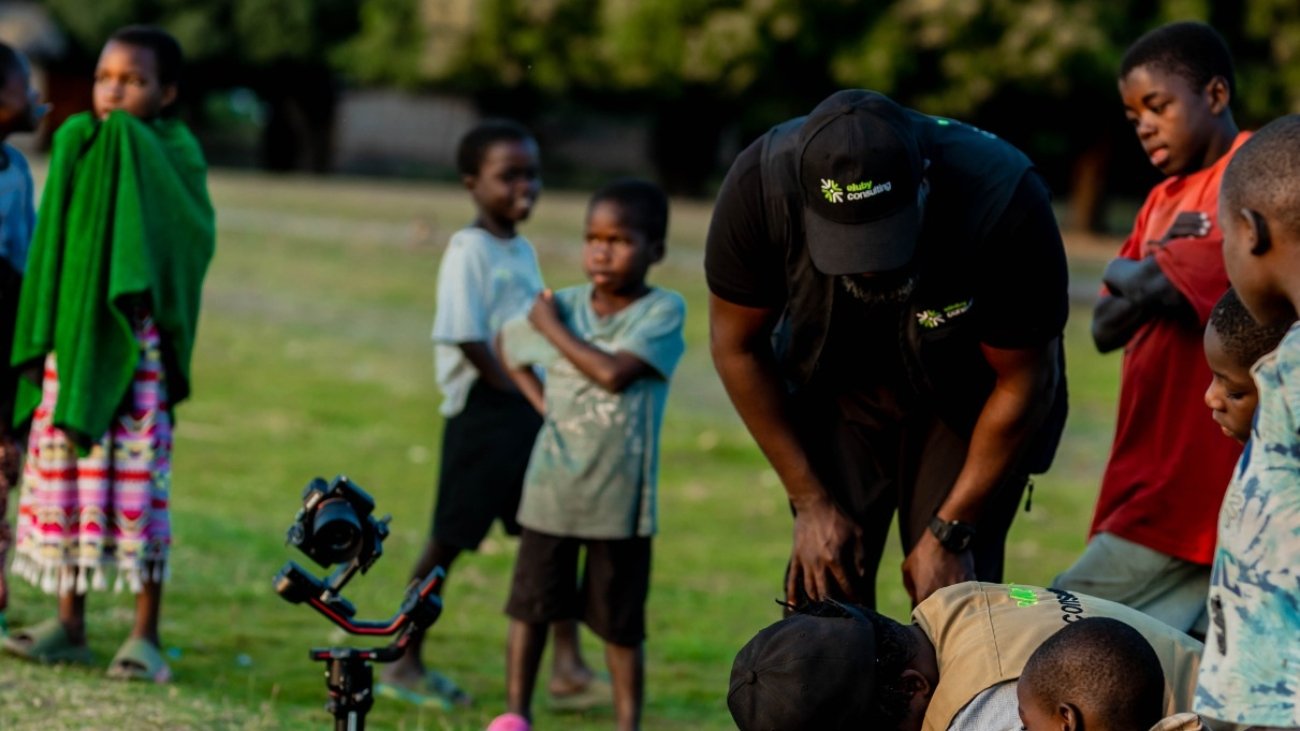
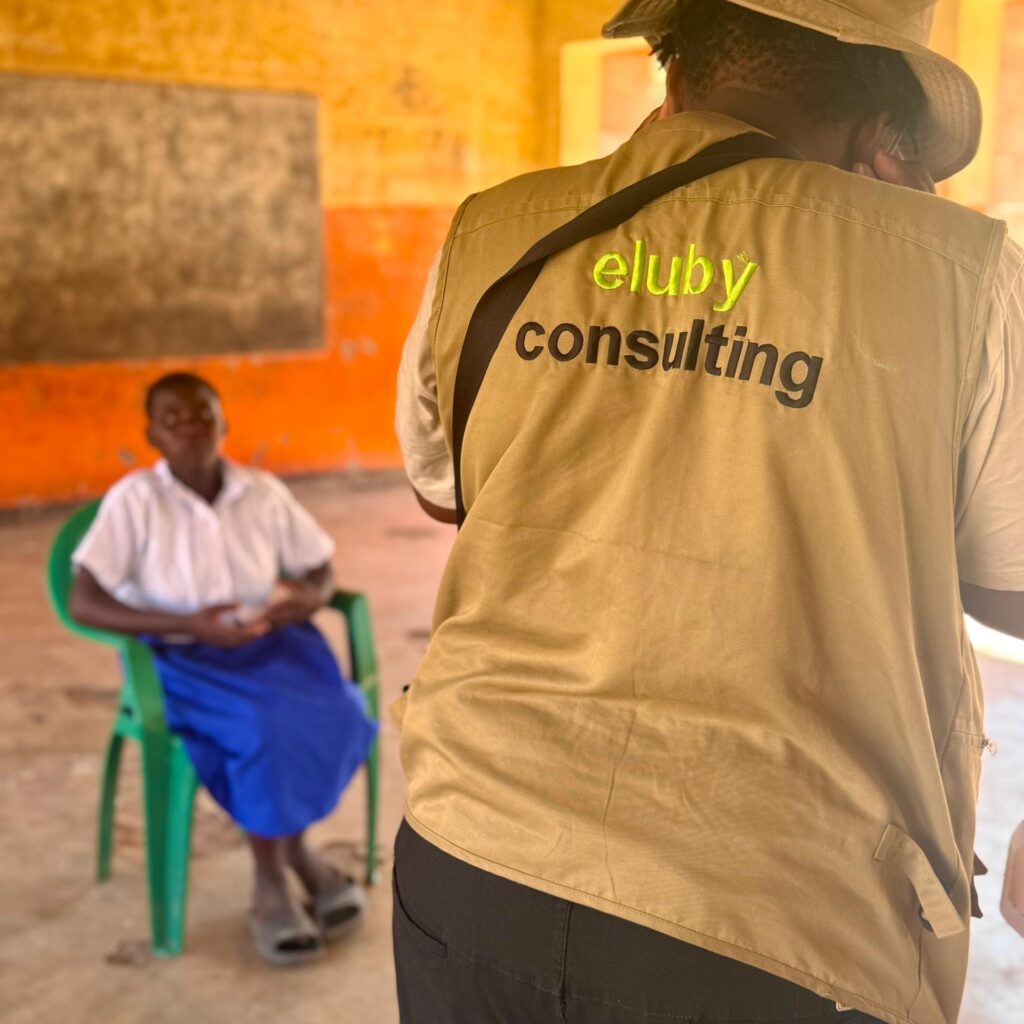
Last week, our team traveled to Malawi’s Southern Region to capture content for our client, UNICEF, in preparation for World Immunization Week 2026, taking place from 24–30 April.

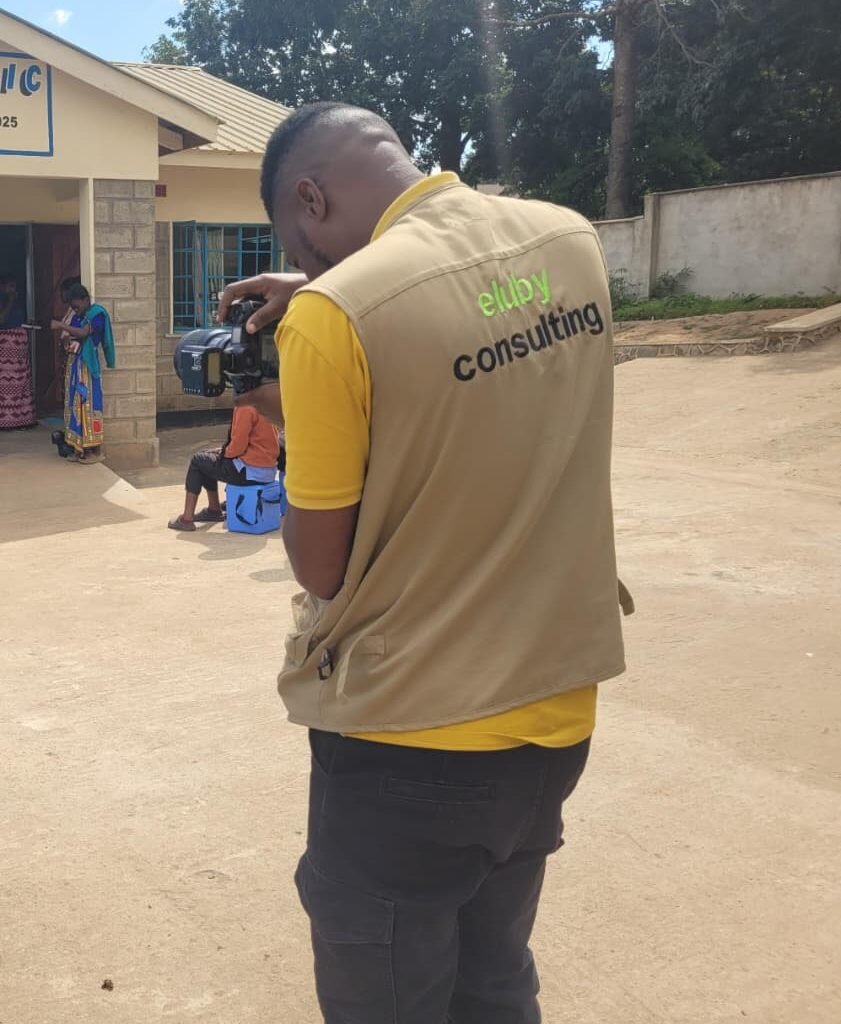
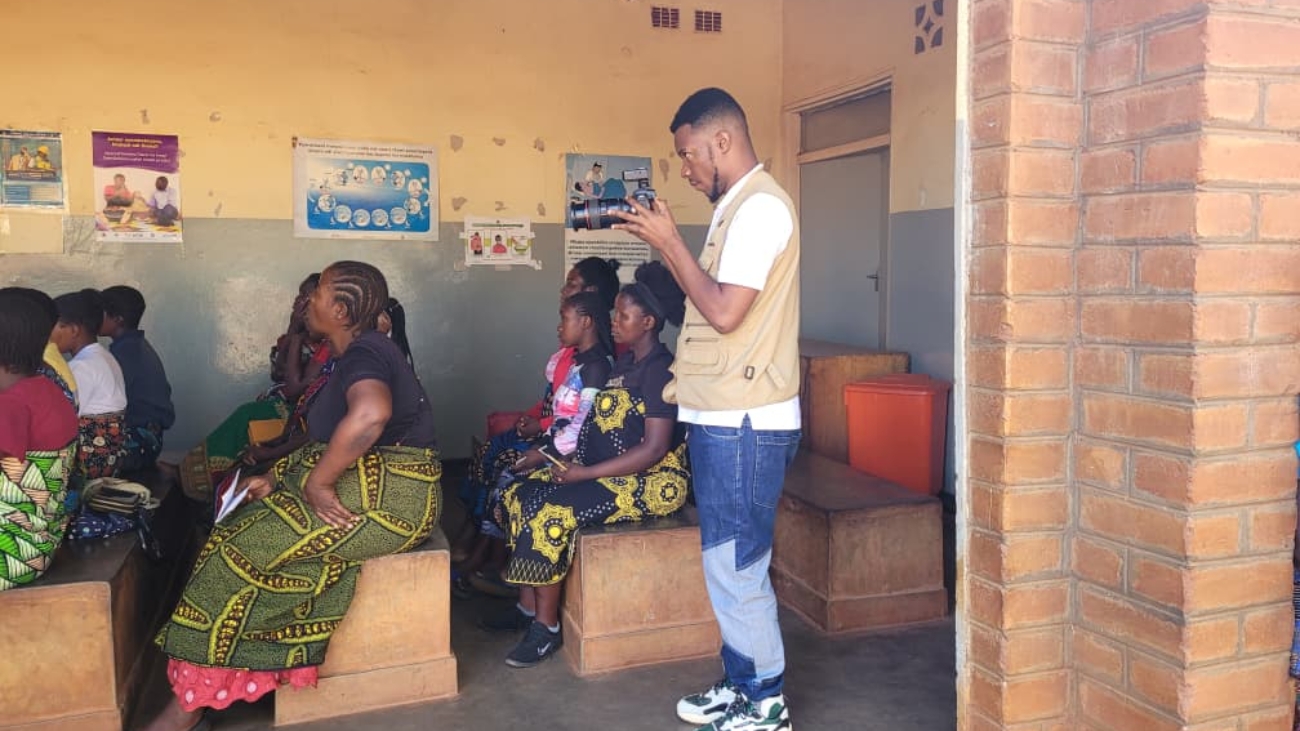
At Eluby Consulting, we believe that meaningful storytelling begins with listening. We immersed ourselves in the communities, documenting the everyday realities of Health Surveillance Assistants (HSAs) as they carry out their critical work. From preparing vaccines to walking long distances to reach remote households, their commitment is both inspiring and essential.

Through this experience, we were able to capture the dedication and resilience of HSAs who go above and beyond to ensure that every child regardless of location has access to life-saving vaccines.
20170705033515_IMG_9813.JPG

A SECTOR FULL OF TALENT, BUT UNEQUAL REPRESENTATION

Written by: Alinafe Phiri

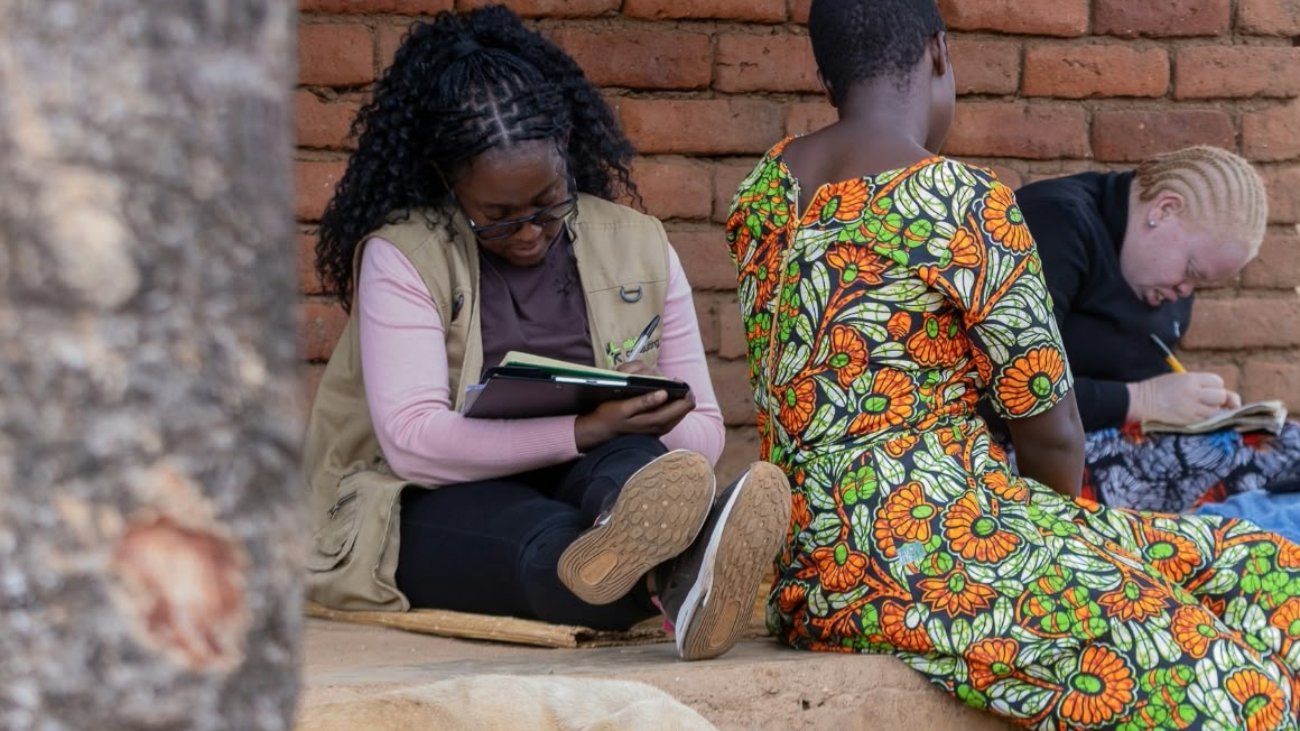
On 24 March 2026, music artists, filmmakers, visual artists and creatives from all corners convened in Area 6, Lilongwe, at Pearl Convention Centre for the 2026 Women in Arts (WIA) Conference. It was a day full of creativity, inspiration, and a shared commitment to advancing women’s voices in the arts. Yet beneath this exciting gathering, one statistic quietly re-framed the entire conversation. 

Out of 23 stakeholders consulted across Malawi’s creative sector, only six were women. This single data point presented by Eluby Consulting as part of a study commissioned by UNESCO, raises a deeper structural question, what does representation truly look like in an industry built on voice, narrative, and expression?
Malawi’s creative sector is rich in talent and diversity, from literature to music, film, fashion, and visual arts. However, Eluby Consulting’s gender mapping reveals a persistent imbalance, not in participation alone, but in influence.

Women are visible across the sector, yet remain significantly underrepresented in decision-making spaces. In several associations, they constitute less than 10% of total membership. Leadership structures, executive committees, and governance boards continue to be dominated by men, limiting women’s ability to shape institutional priorities, funding allocations, and creative direction.

Even in organizations where women have attained leadership roles, these gains are often isolated rather than institutionalized. The disparity is not coincidental, it is systemic.

Eluby Consulting’s findings point to an interconnected set of structural constraints that reinforce gender inequality across the sector.

  1. Economic exclusion: High membership fees and low financial returns from creative work affect women, many of whom face additional economic responsibilities.
  2. Policy deficits: The majority of artist associations operate without explicit gender provisions or enforceable anti-harassment frameworks.
  3. Cultural norms: Persistent perceptions that the arts are unstable or unsuitable for women discourage long-term participation.
  4. Institutional inertia: Even where gender equality is acknowledged in principle, enforcement mechanisms remain weak or non-existent.

Together, these dynamics produce a sector where women are present, but not fully empowered.

Despite these challenges, study findings show critical points of progress, evidence that transformation is both possible and already underway. Several associations have begun to adopt more inclusive practices, including:

  1. The introduction of Gender Desk Officers
  2. Increased representation of women in leadership roles
  3. Mentorship and capacity-building initiatives targeting women creatives
  4. Platforms that intentionally amplify women’s artistic voices

These interventions, while still limited in scale, demonstrate a key insight, that gender inclusion does not occur organically, it is the result of deliberate institutional design.

The implications of these findings extend beyond equity, they speak directly to the future of the industry. A creative sector that under-represents women is not merely unequal, it is incomplete. It risks narrowing its narrative scope, constraining innovation, and limiting its economic potential. In contrast, a more inclusive sector benefits from diverse perspectives, richer storytelling, and expanded market relevance. 

Gender equality, in this context, is not symbolic. It is foundational to the sustainability and competitiveness of Malawi’s creative economy.

Eluby Consulting’s work is distinguished not only by its analysis but by its clarity of direction. The study outlines a set of actionable interventions capable of driving systemic change.

  1. Institutionalizing Gender Desk Officers within association governance
  2. Reforming constitutions to include enforceable gender equality provisions
  3. Reducing financial barriers to women’s participation
  4. Strengthening partnerships with civil society and development actors
  5. Establishing clear accountability systems, including reporting and safeguarding mechanisms

These recommendations are pragmatic, scalable, and grounded in the lived realities of the sector.

The statistic, six out of twenty-three, was no longer just a measure of representation. It became a lens to examine voice, access, and power. The question is no longer whether women belong in Malawi’s creative sector, but what the sector stands to gain when their representation is no longer the exception, but the standard?

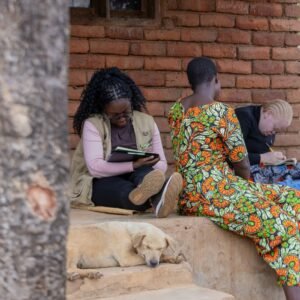
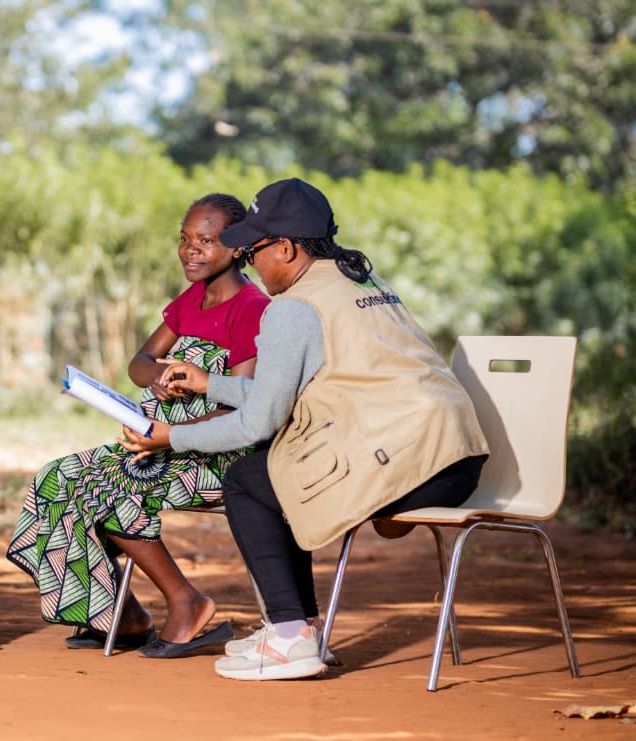
Joseph Simwaka senior  health surveillance assistant at chitipa hospital and chrissy Nshala health surveillance assistant at Namasasa village at the homw of veronica ngwira, 24 checking if her child has received the polio vaccine

Beyond the Lens: Real Stories from Malawi’s National Polio Vaccination Campaign

“We walk long distances because every child matters. No one should be left behind.”
— Health worker, Northern Malawi

In the early hours of the morning, before the heat of the day sets in, health workers begin their journeys moving from one household to another, carrying vaccines, determination, and a shared mission: to protect every child.

This is the reality of Malawi’s national polio vaccination campaign. And for Eluby Consulting, it was a story we were honored to tell.

In partnership with UNICEF, our team traveled across the Northern Region Mzimba, Nkhata Bay, Rumphi, Chitipa, and Karonga documenting the effort through powerful, human-centered photography.

On the Road: Stories from the Field

Each district brought its own rhythm, its own challenges, and its own stories.

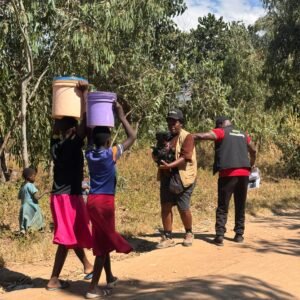
In some communities, health workers navigated long distances on foot, going door to door to ensure no child was missed. In others, caregivers gathered at health facilities, children in their arms, waiting patiently for a moment that could protect a lifetime.

We witnessed quiet determination in the faces of health workers, and trust in the eyes of parents who welcomed them into their homes.

There were moments of joy a child comforted after receiving a vaccine, a mother smiling with relief and moments of resilience, where teams pushed forward despite distance, weather, and fatigue.

These are the moments that often go unseen. But they are the heartbeat of public health.

Health workers walking in Namasasa Village

Beyond the Camera: Capturing What Matters

At Eluby Consulting, we believe that photography is more than documentation it is storytelling.

Every image we captured was intentional not just to show what happened, but to convey why it matters.

Many of our photographs taken during this journey has since been used in campaign messaging, extending their reach far beyond the communities we visited. Those images carry the voices, efforts, and impact of an entire movement.

Through visual storytelling, we help translate complex public health efforts into human stories that people can connect with, understand, and support.

The Power of Partnership

Our collaboration with UNICEF reflects a shared commitment to ensuring that critical health interventions are not only implemented but also seen and understood.

Strong partnerships bridge the gap between action and awareness. They ensure that the work happening on the ground reaches wider audiences, mobilizes support, and strengthens trust within communities.

Because impact is not only measured by what is done but also by how it is communicated

Honoring the Frontline Heroes

Health workers at Zolozolo primary school preparing to vaccinate children under 10

At the center of this campaign are the health workers.

They are the first to arrive and the last to leave. They walk long distances, answer questions, address concerns, and return day after day with unwavering commitment.

Their work is not always visible, but its impact is immeasurable. Every child reached, every vaccine administered, is a step toward a healthier future.

Through our lens, we sought to honor their dedication to ensure their efforts are recognized, celebrated, and remembered.

Why Storytelling Matters in Public Health

In public health, numbers tell one part of the story but people tell the rest.

Storytelling has the power to:

  • Build trust within communities
  • Humanize large-scale health campaigns
  • Encourage participation and behavior change
  • Showcase impact to partners and stakeholders

By capturing real experiences, we create a bridge between information and emotion turning awareness into action.

Conclusion: Telling Stories That Matter

The polio vaccination campaign in Malawi is more than an initiative it is a collective effort driven by people who care deeply about the future of their communities.

From Mzimba to Karonga, every image we captured is a reminder that behind every campaign are real people, real efforts, and real impact.

At Eluby Consulting, we remain committed to telling these stories because every story told is a step toward a healthier future for every child.

Call To Action

Looking to document your next project or amplify your impact through powerful storytelling?
Work with Eluby Consulting to bring your initiatives to life through high-quality photography, videography, and strategic communication.

Pretesting of cholera comic book with primary school students in Dedza

Communicating Mpox: A Community-Centred Approach to Public Health Messaging in Malawi

The Emergence of Mpox in Malawi

When the first case of Mpox was recorded in April 2025 in Malawi, the disease was new and unfamiliar to most communities. Unlike Cholera, which has affected the country for decades, Mpox entered public awareness surrounded by uncertainty, fear, and widespread misinformation.

Myths spread quickly, and many people did not understand what Mpox was, how it spreads, or how it can be prevented. In public health emergencies, misinformation can travel just as fast as the disease itself.

Responding to the Need for Accurate Information

In response to the growing need for clear and accessible information, UNICEF Malawi, in partnership with the Ministry of Health Malawi, commissioned Eluby Consulting to research and develop multimedia communication materials addressing Mpox transmission, prevention, and response.

The assignment went beyond simply producing content. The goal was to develop materials that could correct misconceptions, build public understanding, and support behaviour change during an evolving outbreak.

Starting with Research and Community Insights

At Eluby Consulting, we believe that effective Social and Behaviour Change Communication (SBCC) goes beyond sharing information; it requires working with communities, not just for them.

Guided by Human-Centred Design (HCD) principles and grounded in co-creation, we placed communities at the centre of every stage of the development process. This approach ensured that the messages reflected lived realities and addressed real knowledge gaps.

Through desk reviews and consultations with health experts, we examined available evidence on Mpox transmission, symptoms, case management, and prevention measures. We also assessed emerging misinformation trends and areas of confusion within communities. This helped us understand why fear and myths were spreading and what type of communication would be most effective in addressing them.

Co-Creating Solutions with Health Experts

We then conducted co-creation workshops with health experts from the Health Promotion Division and technical teams from UNICEF Malawi.

Together, we translated research findings into draft scripts and visual concepts that were technically accurate, culturally appropriate, and easy to understand. The process required multiple rounds of technical review and refinement. Some materials were revised several times to ensure clarity, accuracy, and simplicity without compromising scientific integrity.

Pre-Testing with Communities and Frontline Workers

To ensure the materials would be usable and well received by their intended audiences, we conducted pre-testing sessions with health workers, community volunteers, and learners.

These sessions allowed us to:

  • Test message clarity and comprehension
  • Assess how visuals were interpreted by audiences
  • Determine whether the materials were practical for community engagement

Feedback from these sessions was carefully reviewed and incorporated to strengthen both the content and the design.

Developing Accessible Communication Tools

Based on these insights, we developed several communication products designed to explain Mpox in a simple and actionable way.

These included:

  • An explanatory video outlining what Mpox is and how it spreads
  • A job aid to support frontline health workers during community engagement
  • An illustrated comic book explaining prevention, symptoms, and response actions

Each product was designed to make complex health information simple, memorable, and

practical for everyday use.

Quality Assurance and National Response

Following revisions, all materials were submitted to the Quality Assurance and Quality Improvement (QA/QI) team for review and endorsement.

We are proud that the materials met the required standards and are now supporting ongoing national response efforts in Malawi.

Lessons for Effective Public Health Communication

This assignment reflects what effective SBCC should be: evidence-based, participatory, and people-centred.

By applying co-creation principles and human-centred design, we ensured that Mpox communication was not only accurate but also trusted, accepted, and usable by the communities it was meant to serve.

Our Commitment at Eluby Consulting

At Eluby Consulting, we remain committed to designing communication solutions that empower communities, strengthen public understanding, and support national health priorities.

Sustainable change happens when people are part of the solution—not just recipients of information, but active participants in protecting their own health.

Mpox Comic book and Poster

Mpox video

IMG-20251220-WA0002

REIMAGINING CHOLERA COMMUNICATION IN MALAWI

Bringing Public Health to Life in Dedza

On a humid morning in Dedza, as rainy clouds gathered, Eluby stood before a group of Community Health Workers (CHW), teachers, and school children at St Cornelius Health Center. In her hands, she carried brightly illustrated comic books, job aids, and animated videos on Cholera and Mpox, which were shared among the participants. School children leaned forward over the books, teachers observed closely, and CHWs read and watched the videos quietly. Someone laughed at a character in the comic book and animated videos.

This is what public health can look like in Malawi when communication feels less like instruction, and more like a conversation.

“This is public health when communication feels like a conversation, not a lecture.”

The Persistent Challenge of Cholera in Malawi

Since 1973, when the first Cholera case was reported in Malawi, the country continues to face this endemic disease, affecting thousands in countless communities. Despite years of interventions, outbreaks resurface every year. This is not because information is unavailable, but because it is not always accessible, relatable, or easy to act on.

Traditional communication methods, such as posters with technical language, often overwhelm both leaders and listeners. But do these messages truly resonate with community experiences?

“High awareness doesn’t always lead to safe practices.”

Designing Communication That Matters

In 2025, UNICEF Malawi commissioned Eluby to research and develop multimedia communication materials on cholera transmission, prevention, and response. For Eluby, the goal was clear: to remind communities about cholera in a way that is simple, memorable, and actionable.

At Eluby Consulting, we believe communication is not just sharing facts, but designing meaning. Utilizing the principles of Social and Behaviour Change Communication (SBCC), we work with communities, not for them.

“Communication is most effective when it reflects the community it serves.”

Grounding Materials in Human-Centred Design

Guided by a Human-Centred Design (HCD) approach and co-creation principles, we placed communities at the center of every stage of material development. This ensures that messages reflect lived realities, cultural context, and technical constraints faced by those most affected by cholera.

“We design with people, not for them.”

Research: Understanding the Gap

We began with a rigorous desk review, examining decades of cholera data, response reports, behavioral studies, and past campaign materials. Findings revealed a pattern: high awareness of cholera did not always translate into consistent preventive practices. This helped us understand why cholera remains a public health challenge despite decades of interventions.

“Data doesn’t lie: awareness alone is not enough.”

Co-Creation Workshops: Shaping Context-Appropriate Content

We conducted co-creation workshops with the Ministry of Health, through the Department of Health Promotion, including representatives from the Ministry of Water and Sanitation. Findings and ideas were debated, and together we translated them into draft scripts and concepts that were relevant and context-appropriate.

“Collaboration ensures relevance and ownership.”

Community Validation: Listening to Real Voices

The real test came during pre-testing sessions at St. Cornelius Health Center in Dedza. Participants flipped through comic books, paused on illustrations, questioned phrasing, and suggested clearer alternatives.

“Can we show this character standing along the waters?”
“Would we really say it like this?”

These were not minor edits they shaped design decisions based on real voices. Feedback was carefully reviewed and incorporated to strengthen both content and design.

Quality Assurance and Dissemination

Following revisions, all materials were submitted to the Quality Assurance and Quality Improvement (QA/QI) team for review. We are proud that the materials were endorsed and that Eluby Consulting is now leading their dissemination.

“When cholera strikes, memory matters. Our materials are designed to stick.”

Communication That Sticks

These communication materials were crafted to recall, because when cholera strikes, memory matters. This assignment exemplifies what SBCC should be: evidence-based, participatory, and people-centered.

By applying co-creation principles and human-centered design, cholera communication became not only accurate but trusted, accepted, and usable.

“Messages work best when they are understood, accepted, and easy to act on.”

Philosophy in Practice

For Eluby Consulting, this assignment was more than a deliverable. It was a reaffirmation of our philosophy: work with communities, not for them.

Cholera Videos

Cholera comic book and job aid

Strong organisations are built through continuous learning

Strong teams build strong organisations.

At Eluby Consulting, we provide capacity building and training programmes designed to help organisations strengthen their skills, improve collaboration, and adopt new approaches that enhance service delivery.

Our trainings focus on practical knowledge that teams can immediately apply in their work.

Whether it is communication strategies, innovation adoption, digital tools, or organisational development, we help teams build the capacity they need to grow and create impact.

If your organisation is looking to strengthen its team, talk to Eluby Consulting.

#ElubyConsulting #CapacityBuilding #Training #OrganisationalDevelopment #Malawi

HAPPY INTERNATIONAL WOMENS DAY

Give to Gain: Empower Women, Empower Communities

At Eluby Consulting, we recognize that empowering women is key to stronger communities, better policies, and meaningful innovation. This year’s theme, “Give to Gain,” reminds us that when we invest in women through opportunities, mentorship, and platforms to lead we all benefit.

Across Malawi and beyond, women are shaping change every day. From driving innovation to influencing policy and creating community solutions, their impact is undeniable. At Eluby, we work to ensure that innovations and policies are inclusive, engaging women as co-creators, not just participants.

This International Women’s Day, we celebrate the women who inspire, lead, and transform our society. Let’s continue to give support, knowledge, and opportunity, because when women rise, we all gain.

#GiveToGain #IWD2026 #WomenInLeadership #ElubyConsulting #WomenInInnovation

IMG-20250823-WA0049

Effective Corporate Social Responsibility (CSR) is not just about doing good it is about demonstrating impact with honesty, clarity, and measurable results.

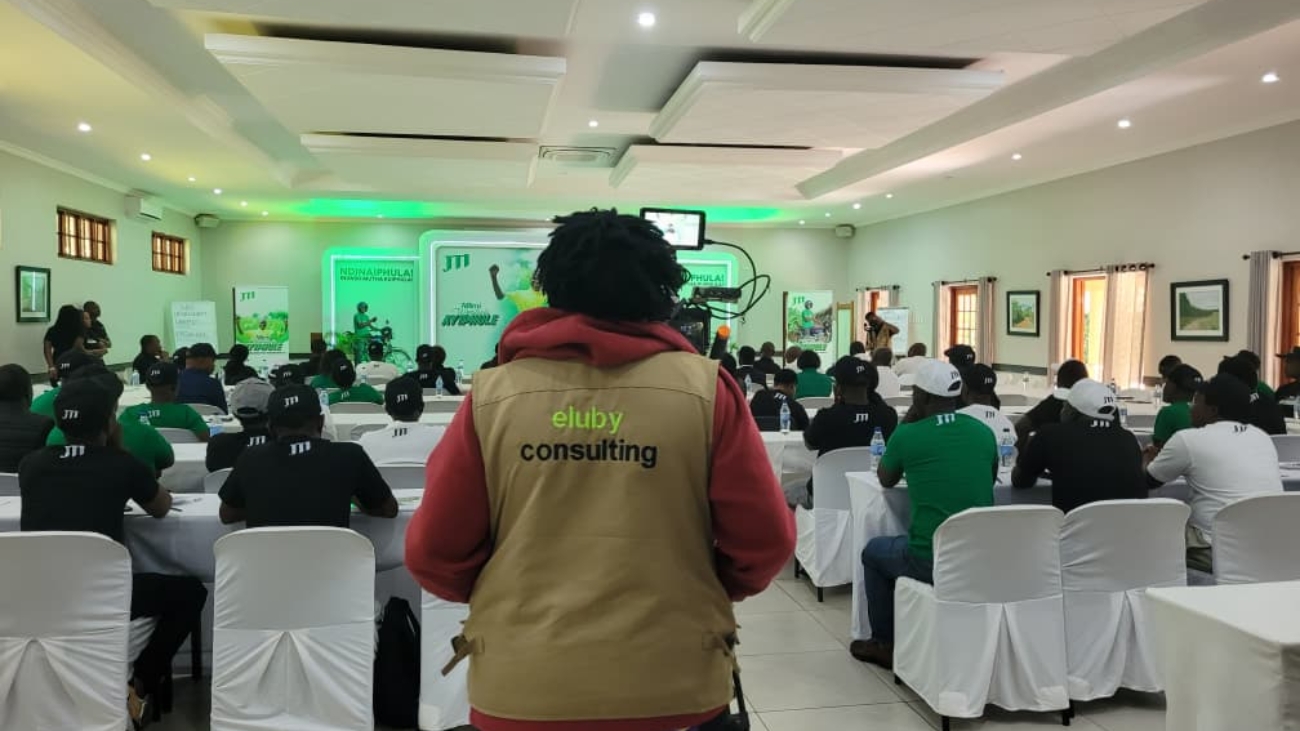
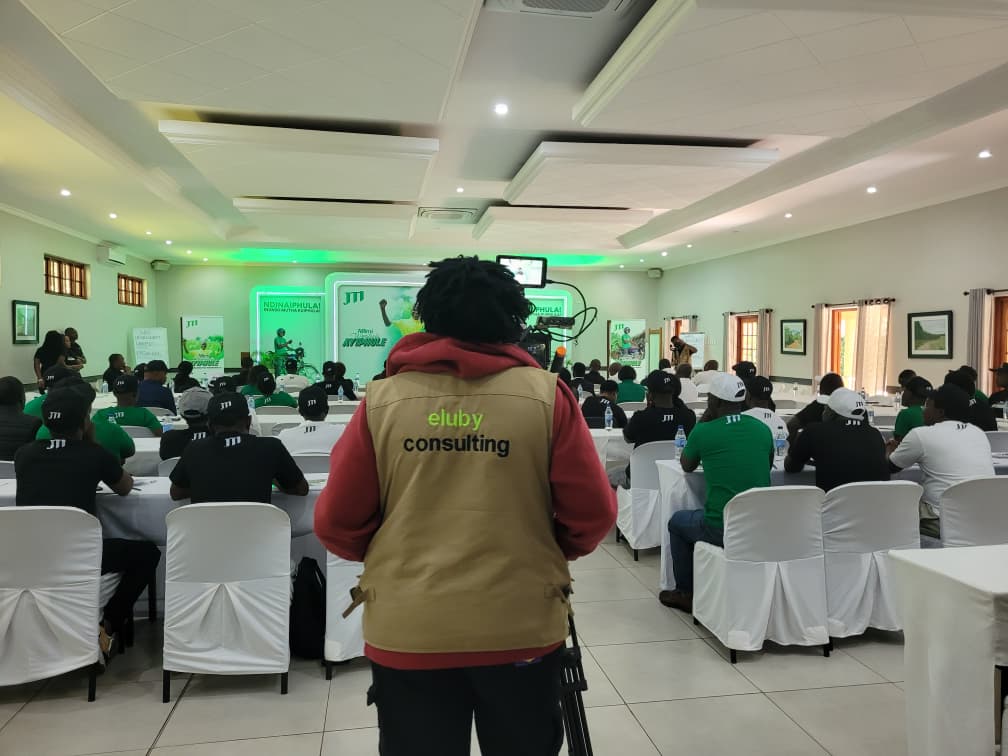
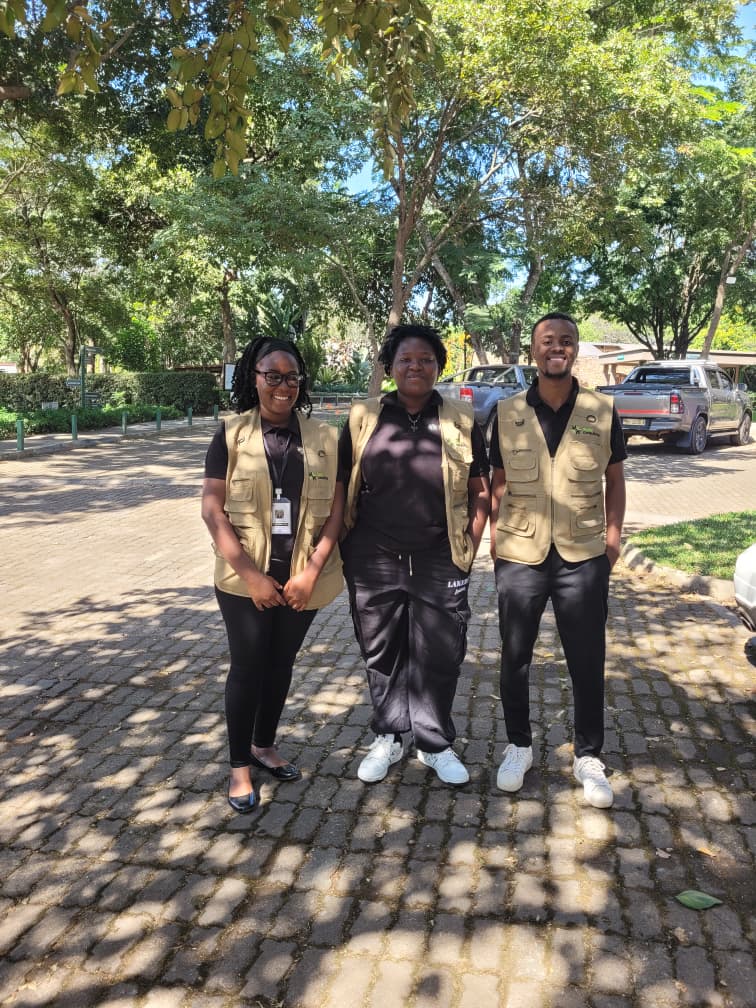
At ELUBY CONSULTING, we continue to partner with JTI Malawi to document and showcase CSR initiatives across key focus areas including environmental sustainability, health and safety, agronomy, education, WASH, and mobile health services.

Our role goes beyond content creation. It is about ensuring that impact is properly captured, accurately represented, and transparently communicated to stakeholders.

We focus on:

  • Capturing reality on the ground through authentic documentation
  • Demonstrating accountability through evidence-based storytelling
  • Telling credible stories that communities, partners, and stakeholders can trust

Because meaningful CSR is not only about the work being done it is about making that work visible, verifiable, and impactful.